
Why Traditional Mezcal Is Small Batch?
Shortcuts and scale both have a price. In mezcal, the land pays it.
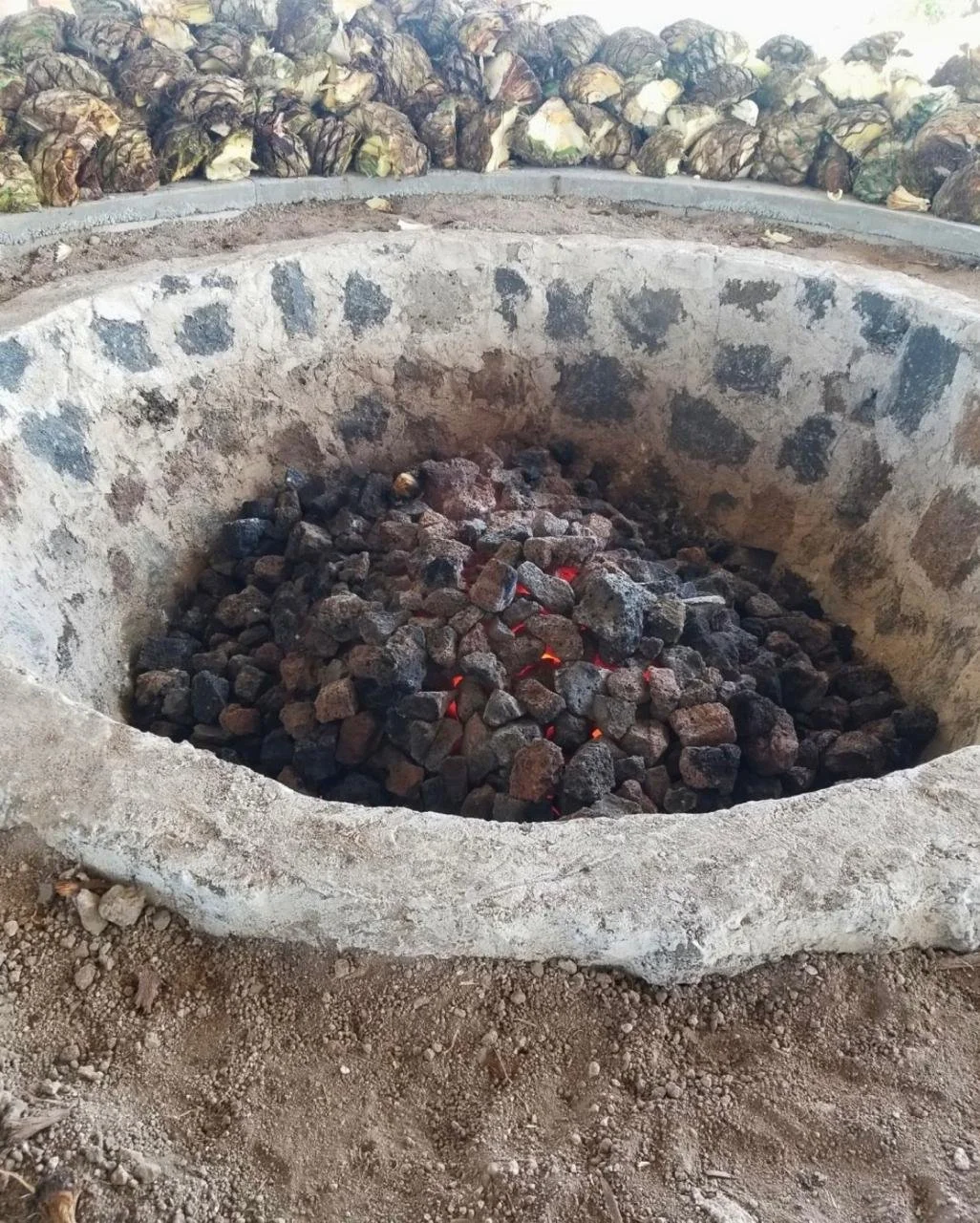
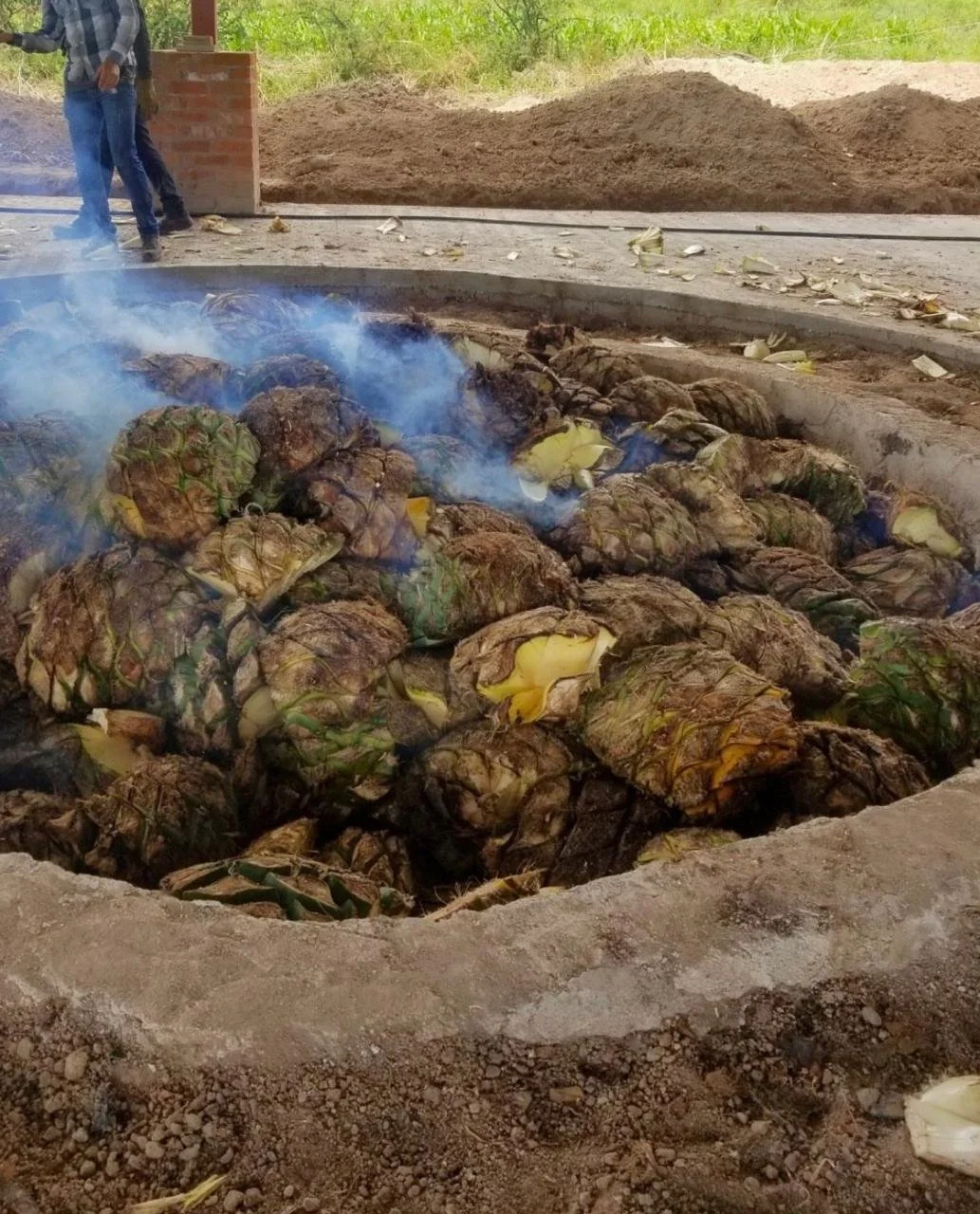
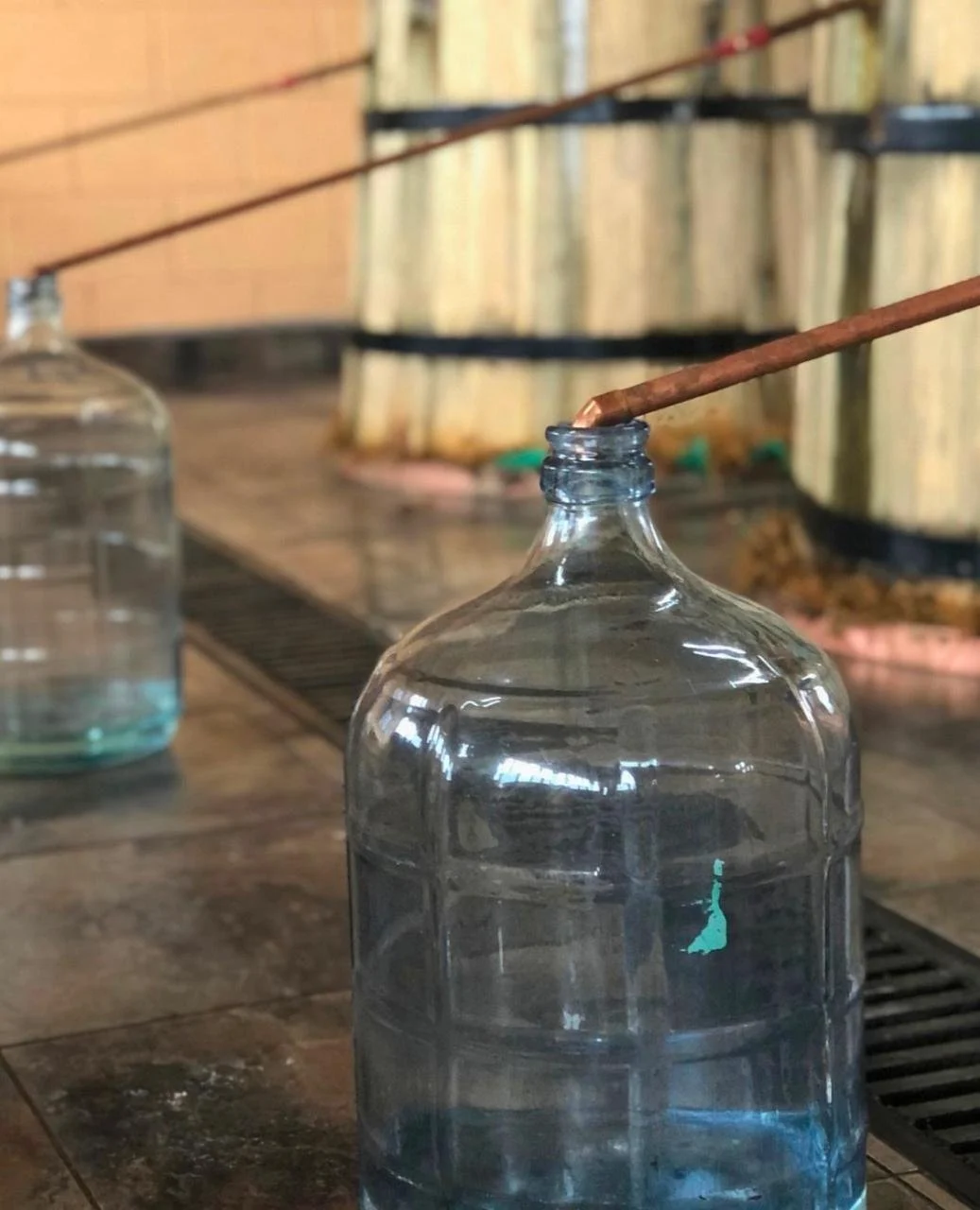
At Mocel, we distill in small batches because genuinely traditional production demands it. The agave, the land, the craft: each one sets the pace, and none of them can be rushed.
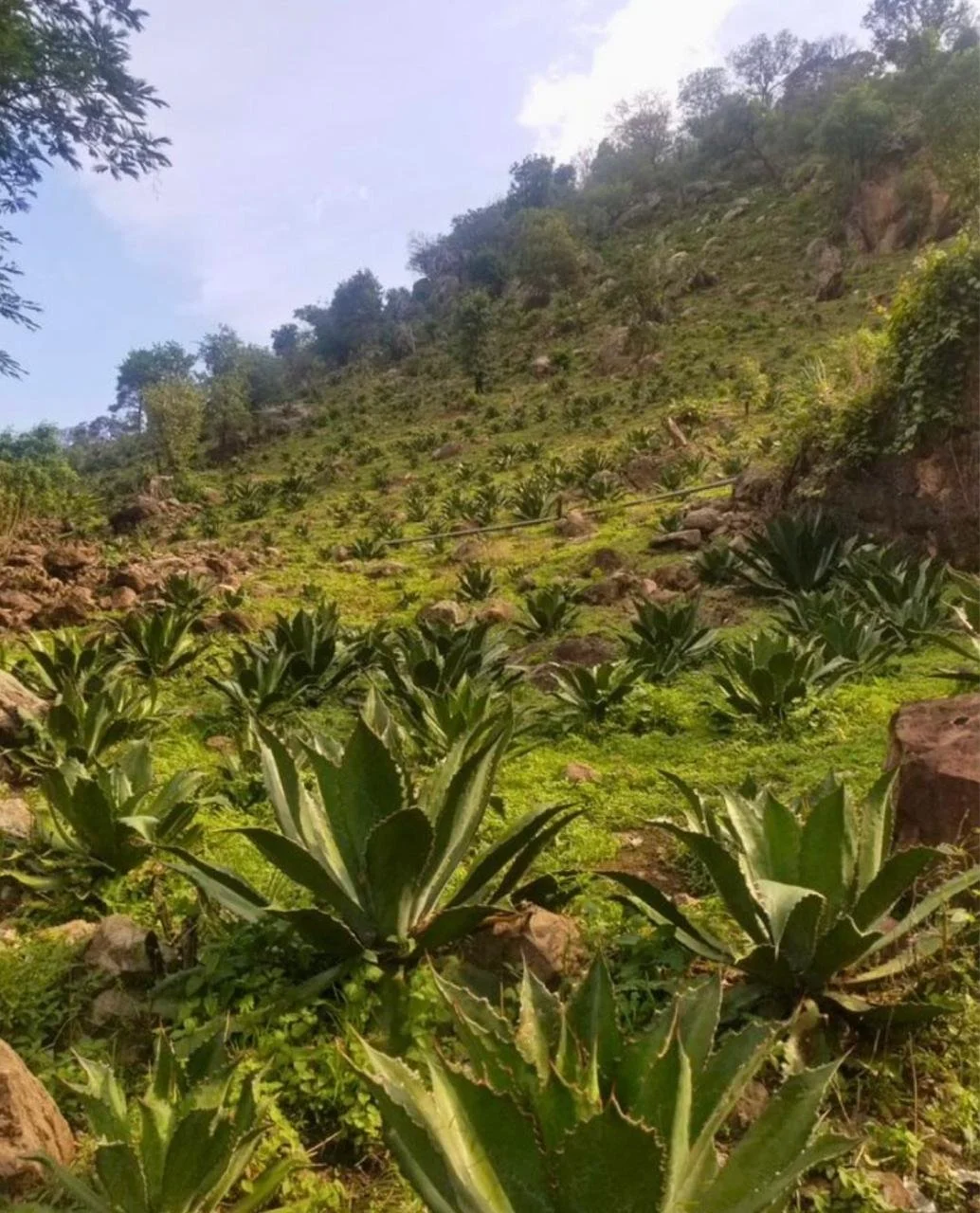
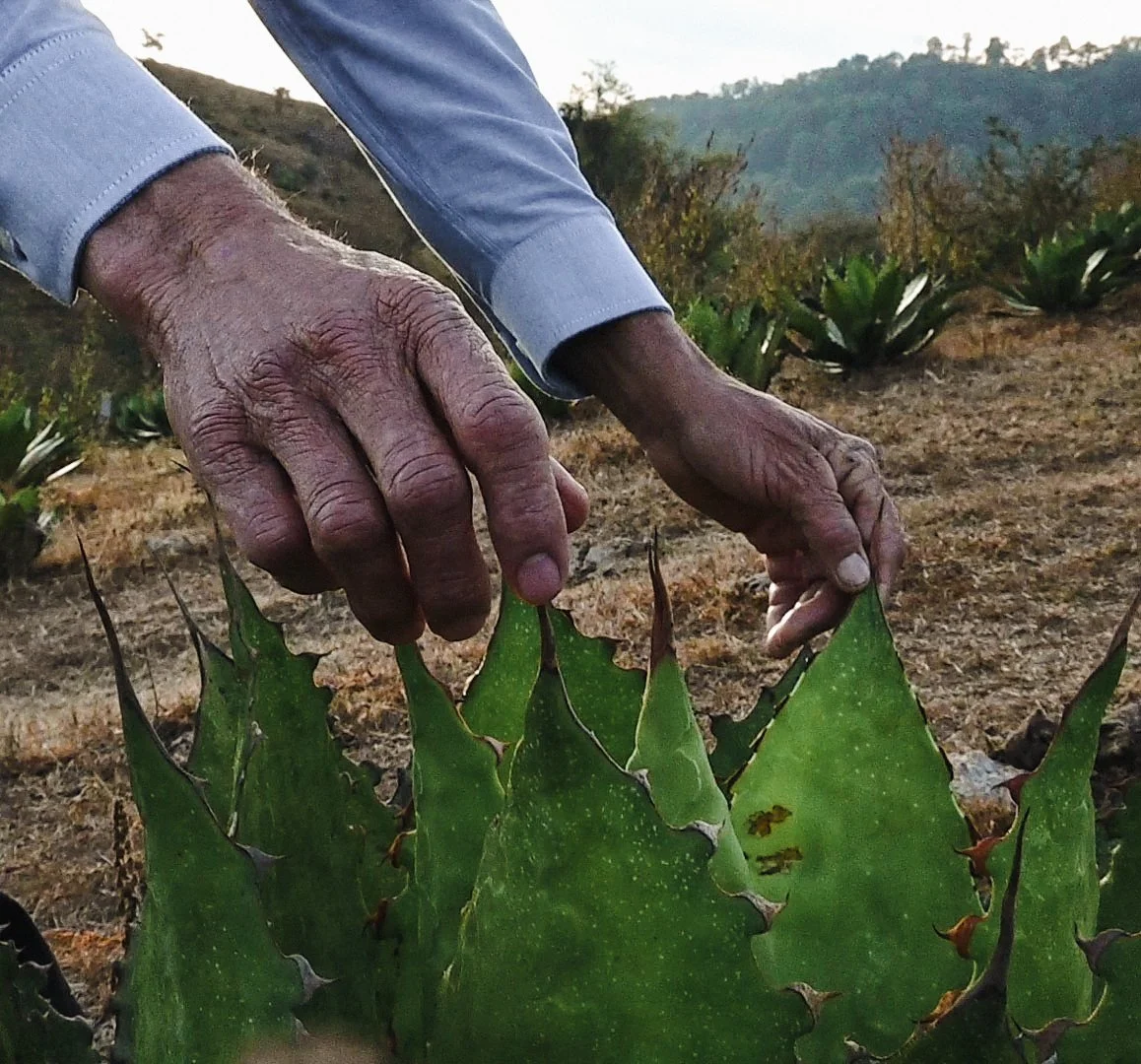
When you overproduce mezcal, you put pressure on the land. Agave takes years sometimes decades to mature. Harvesting faster than the land can recover isn't efficiency. It's extraction. And eventually, it costs everyone.
Growing up, we always heard that mezcal is a gift from the land. That stayed with us. It's why we only distill part of the year - during the non-rainy season. Not year-round. Just when it's right.
There are two reasons for this. First, access. The terrain where our agave grows becomes difficult to reach when the rains come. You don't fight the land to get what you need from it. Second, the agave itself. During rainy season, the plant absorbs water. During the dry season, the natural sugars are dense and concentrated which is exactly what maximizes flavor. That's what ends up in the bottle.
The best thing we can do for mezcal is not take more than the land can give. That means sitting out the rainy season. That means letting agave reach full maturity.
Mezcal exists because this land exists. We plan to keep it that way.
So next time you're at a bar or restaurant, ask to see the mezcal bottle and look for the batch size. If there's no batch number on the label, chances are it's mass produced. At Mocel, every bottle lists its batch size (typically between 200 and 600 bottles) because you deserve to know exactly what you're drinking and where it came from.